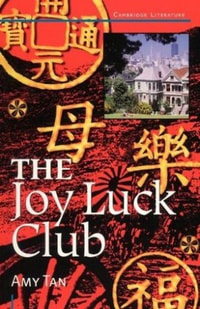
East Asian Diaspora and The Joy Luck Club
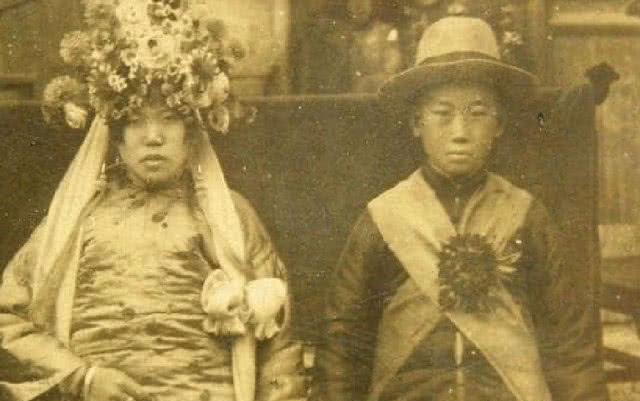
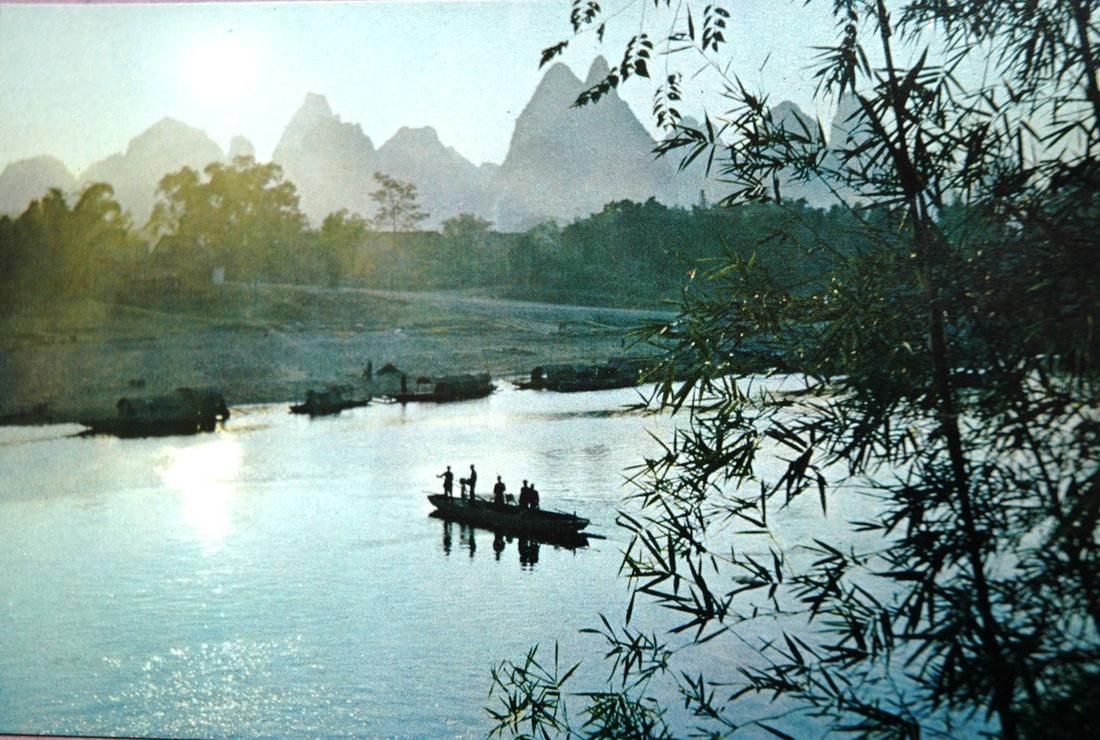
Lindo Jong is from Taiyuan; An-Mei Hsu from Wuxi; Ying-Ying from Ningbo; and Suyuan from Kweilin. Lindo, hailing from Northern China, speaks Mandarin, while the others—rooted in Southern provinces—speak Cantonese. Even within a single homeland, these women lived divided by dialects, regional class structures, and distinct cultural norms.
|
Themes:
Maternal legacies
American born Chinese identity (ABCs)
Cross-cultural and intergenerational conflicts
Immigrant identity and diaspora
Loss and recovery
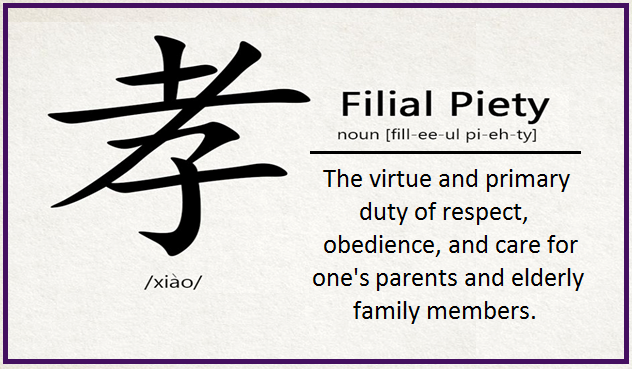
Filial piety and sacrifice
Sexism and Neo-Confucianism
Structure:
Mosaic narrative
Each of four sections begins with a parable, akin to a literary vignette
Language:
Pidgin English of the first-generation immigrants
Linguistic mediation of ABCs
Poignant ironies
Authentic immigrant experiences
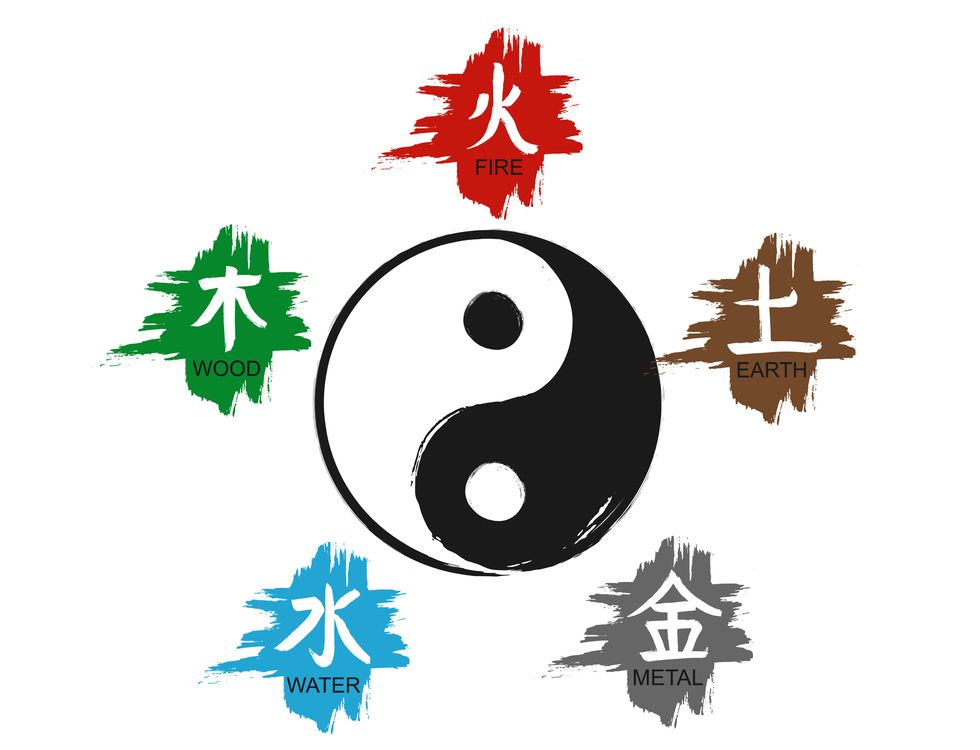
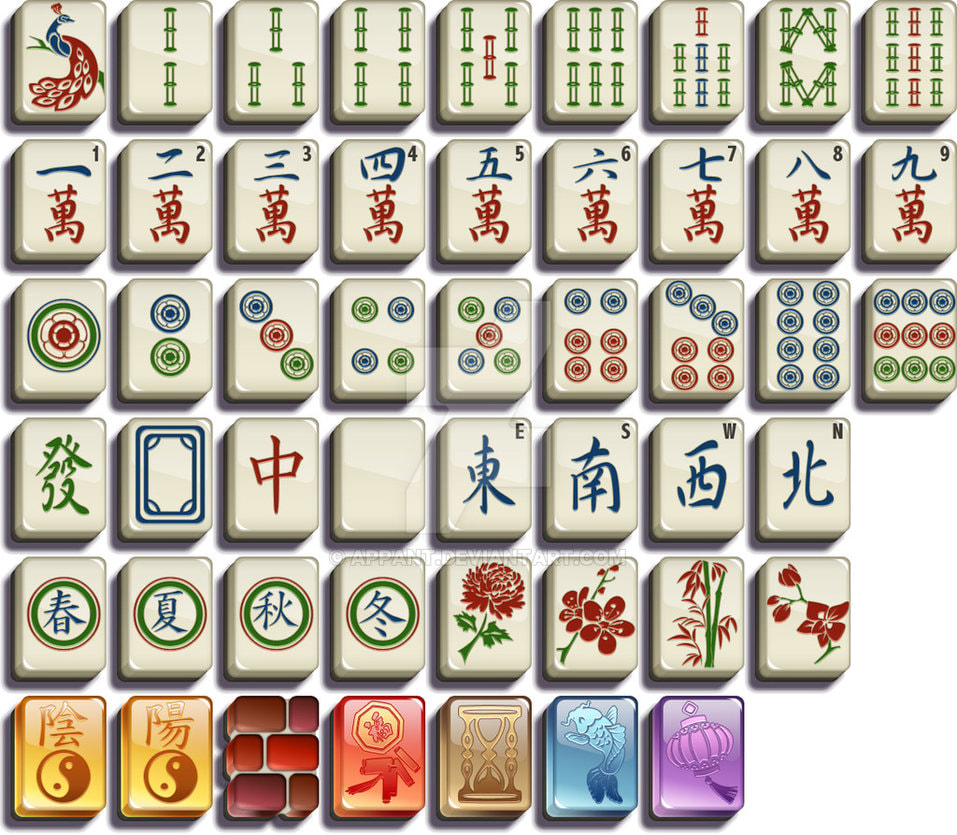
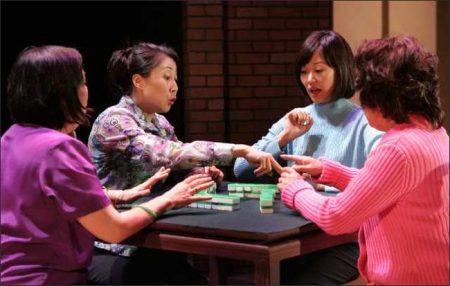
The game of mahjong centers on pattern recognition, and The Joy Luck Club uses this traditional Chinese pastime as a structural and thematic framework for its storytelling. Employing modernist experimental techniques—such as multiple narrators and a framed narrative—Amy Tan invites readers into a layered examination of identity, memory, and diasporic acculturation.
Critical literacy is essential, as readers are called to trace and construct narrative relationships between Chinese mothers and their American-born daughters, between pidgin English and American vernacular, and between pre–Cultural Revolution China and postmodern America. Just as mahjong players must identify patterns amid shifting tiles and the ever-changing directions of the game, readers must decode the emotional and cultural inheritance passed from mother to daughter—an inheritance shaped as much by displacement and trauma as by love and resilience.
This chart provides a scaffold to help students match each mother with her daughter, supporting those who may struggle to retain character details or narrative relationships. It serves as a visual aid to reinforce their mental schema and deepen comprehension of the novel’s interwoven, mosaic narratives.
1. “Feathers from a Thousand Li Away,” a Parable
A Chinese mother's swan song sung by her daughter
|
|
|
An-mei's "ghost mother" leaves the young An-mei; Lindo was, at age two, arranged to be a bride to a stranger; and even Ying-ying, with no fault or malice of any specific person, is lost. Why do you think there is a recurring theme of children being lost or abandoned in this first segment of the novel?
2. The Twenty-six Malignant Gates, a Parable

"The Voice from the Wall," Lena St. Clair's story
|

"Two Kinds," a story told by Jing-mei Woo
|
|
3. American Translation (ABC Daughters in their adulthood)
"Four Directions," told by Waverly Jong
|
"Best Quality," told by Jing-mei Woo
|
Did you know why the Chinese have the custom of eating crabs on New Year's Day?
|
4. Queen Mother of the Western Skies
"Magpies," told by An-mei Hsu
|